Comprehensive archaeological and heritage services for the UK's construction industry and public sector

Our Services

Why do you need to use archaeological services?

A developer in the UK may need to use an archaeological and heritage company to comply with heritage legislation and guidance as part of the planning process to ensure below-ground and built heritage has been considered. Under the National Planning Policy Framework (NPPF) developers are required to assess and potentially mitigate the impact of development on the historic environment.

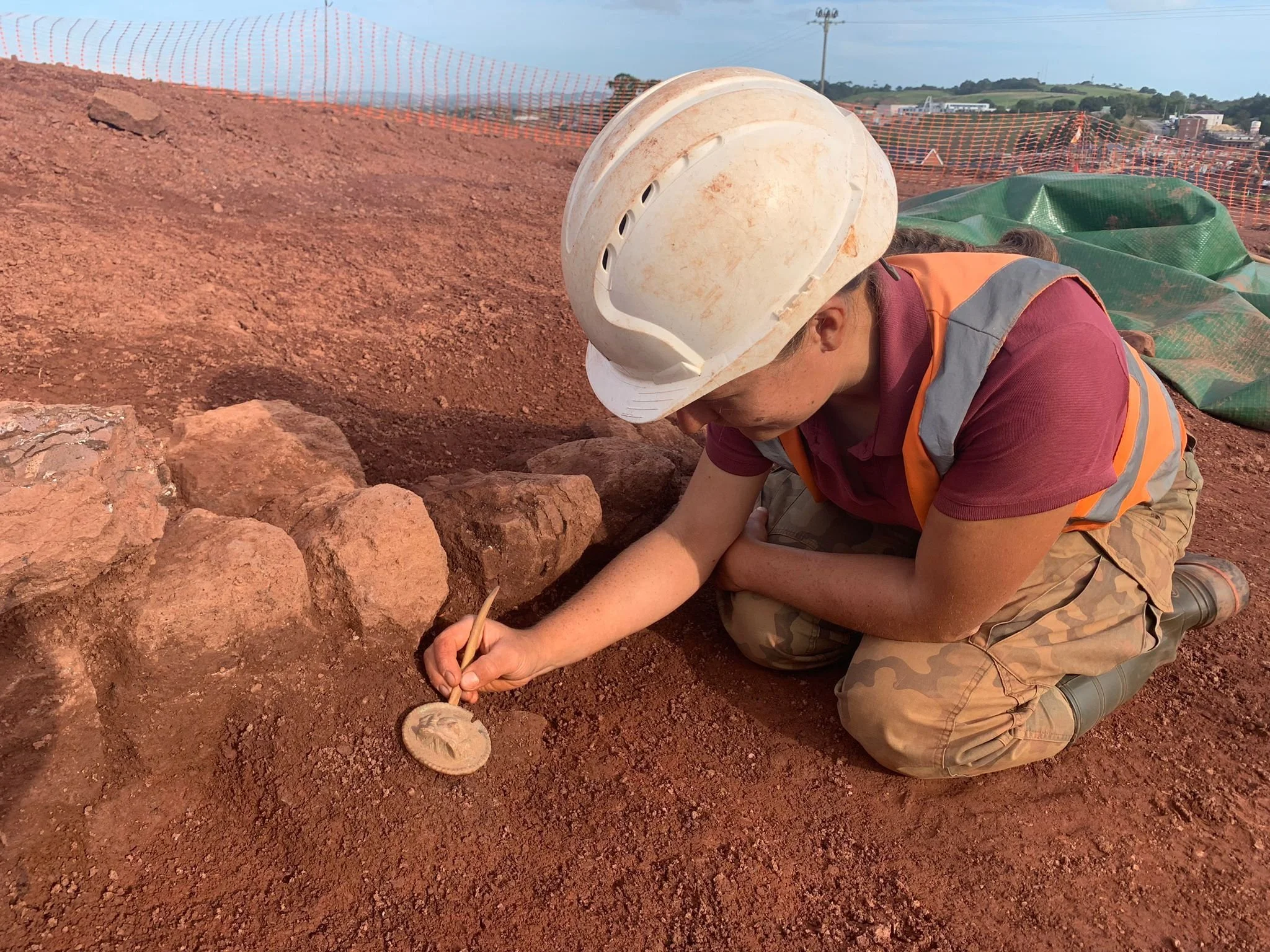
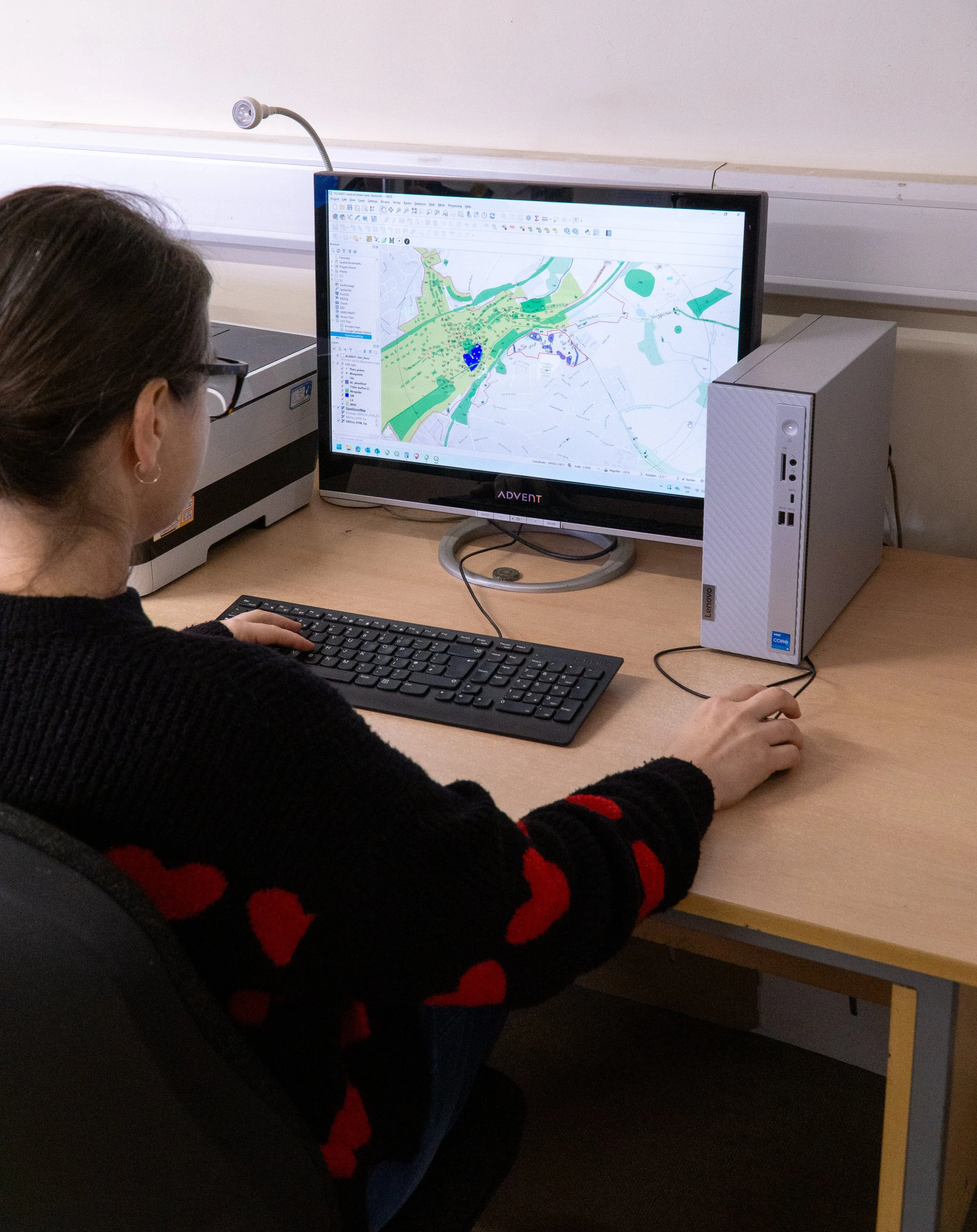
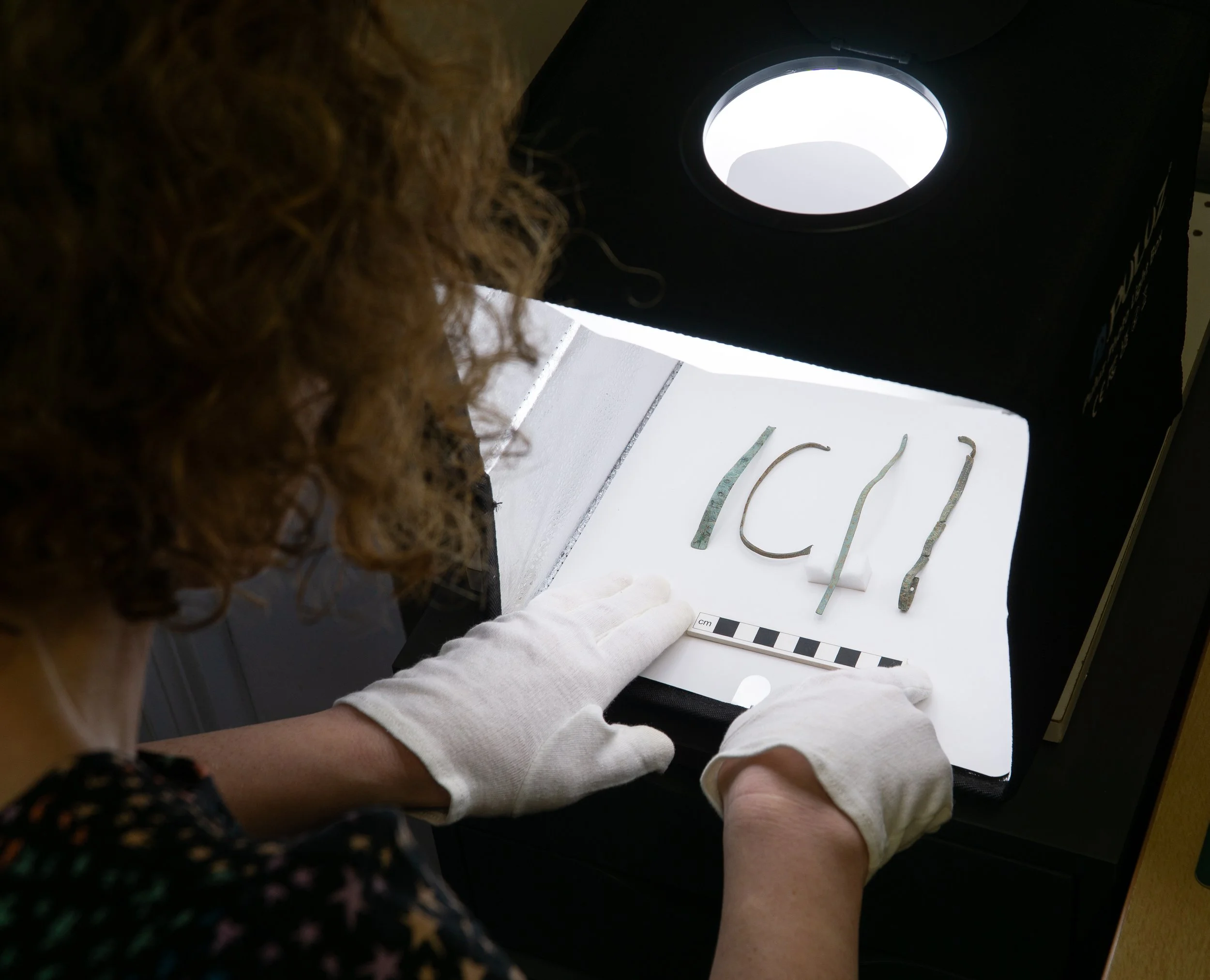
An archaeology and heritage company provides necessary services such as initial advice and if the scheme moves forward carries out desk-based assessments, geophysical surveys, trial trenching, and excavations to identify, record, and preserve by record any findings thus negating any potential costly delays to development schemes. If important artefacts or structures are found, mitigation strategies—such as a watching brief during groundworks or detailed excavation—may need to be undertaken to ensure planning compliance.

Whether for large-scale infrastructure, housing developments of all scales, or commercial expansions, archaeological and heritage companies play a crucial role in ensuring that projects proceed smoothly while respecting the UK’s rich historical and cultural landscape.
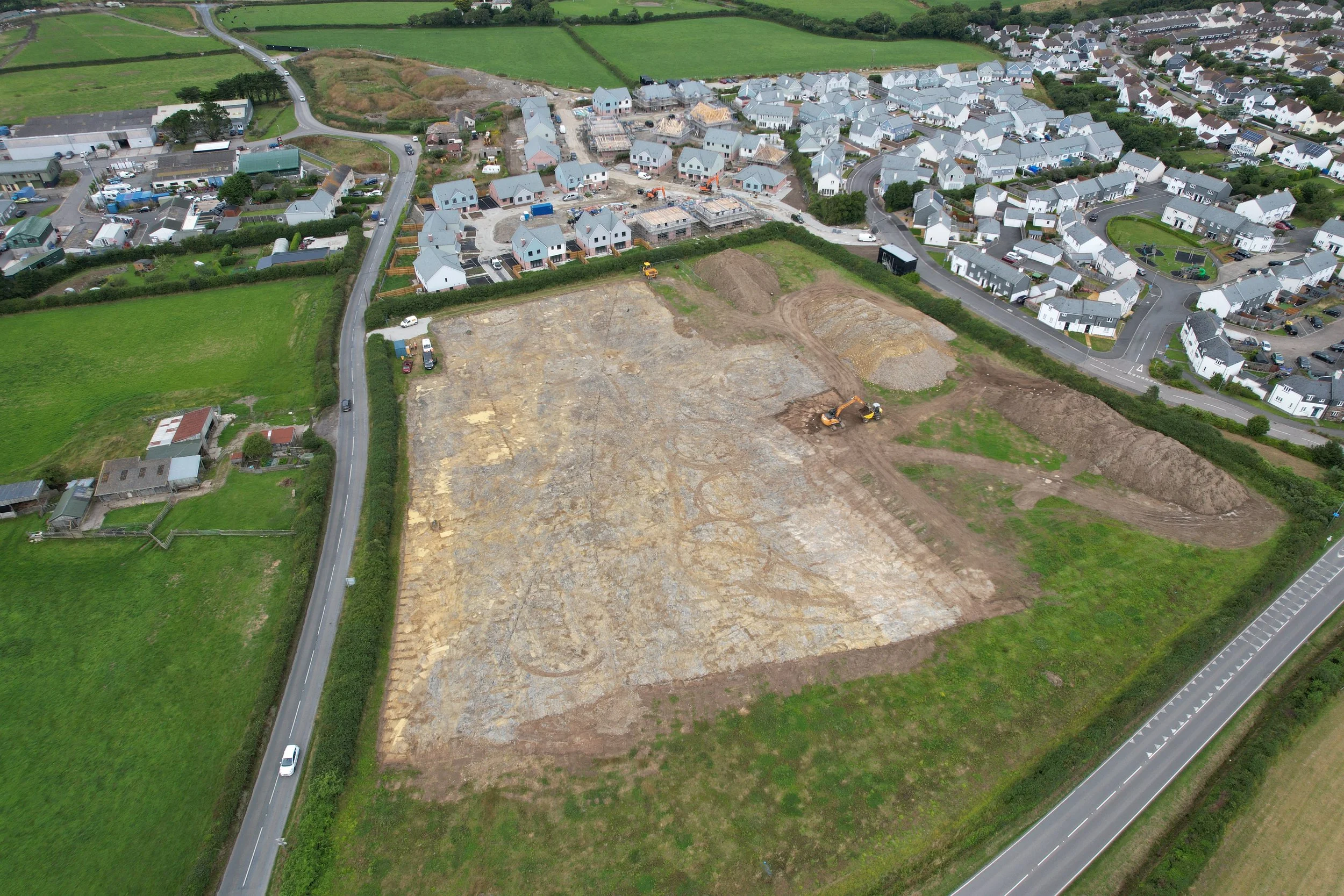
An aerial view of a construction site with excavators working on the soil, surrounded by residential houses and green fields.

Who we work with

Sectors we cover

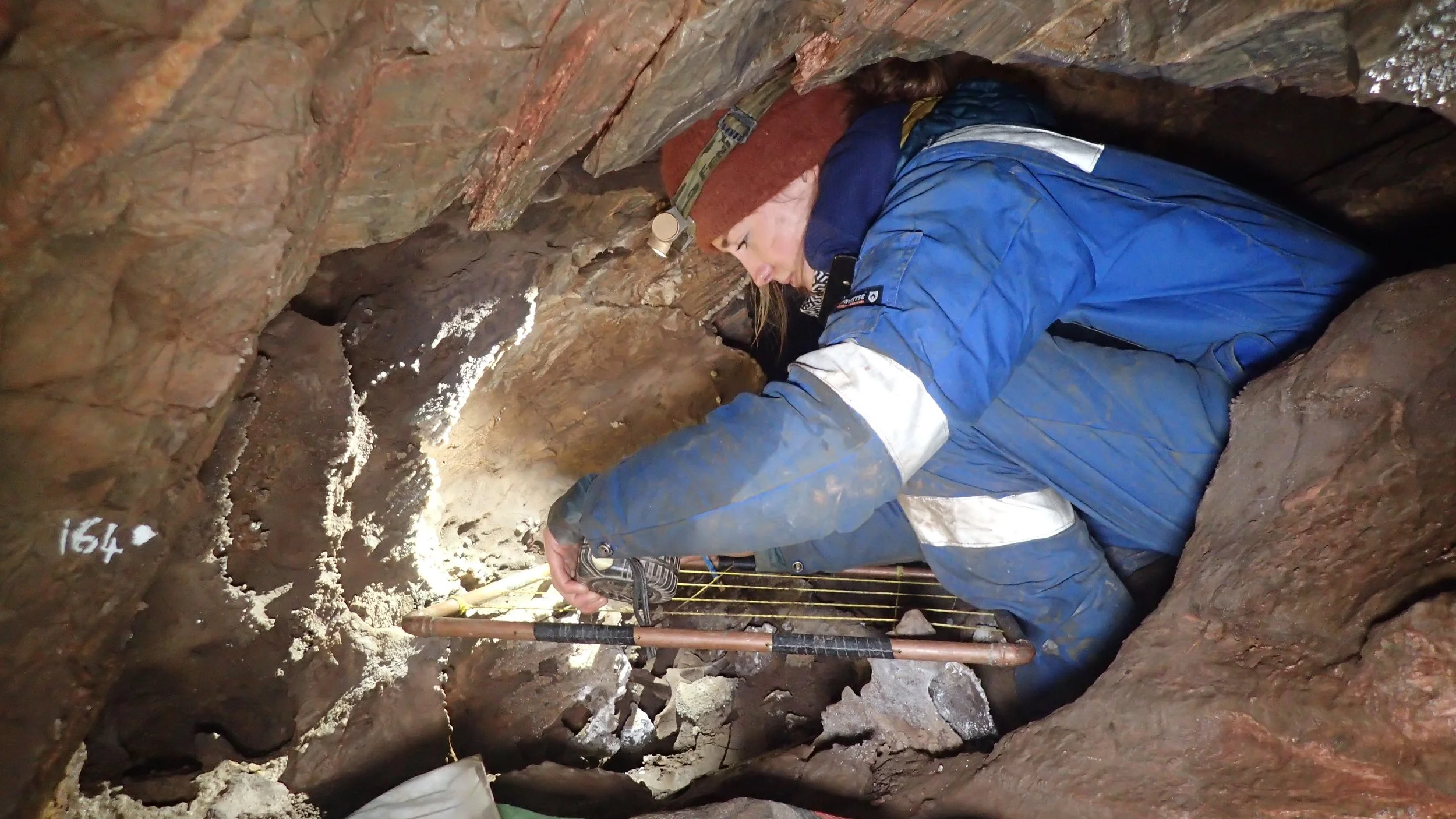
  • A person in a blue jacket, red hat, and headlamp crouches in a narrow underground passage, working with a piece of equipment, surrounded by brown and reddish rock walls.

    Sherford Cave, Plymouth

    Works associated with the development of a new town at Sherford, near Plymouth, Devon, revealed a previously unknown cave. The cave deposits contained numerous bone fragments from a wide range of species. AC archaeology carried out an excavation in the cave, recovering remains from mammoth/elephant, bovid, cervid, wolf and rhinoceros. Initial work indicates a date in the Middle Devensian (MIS 3) period, c.60,000 to 20,000 years ago.

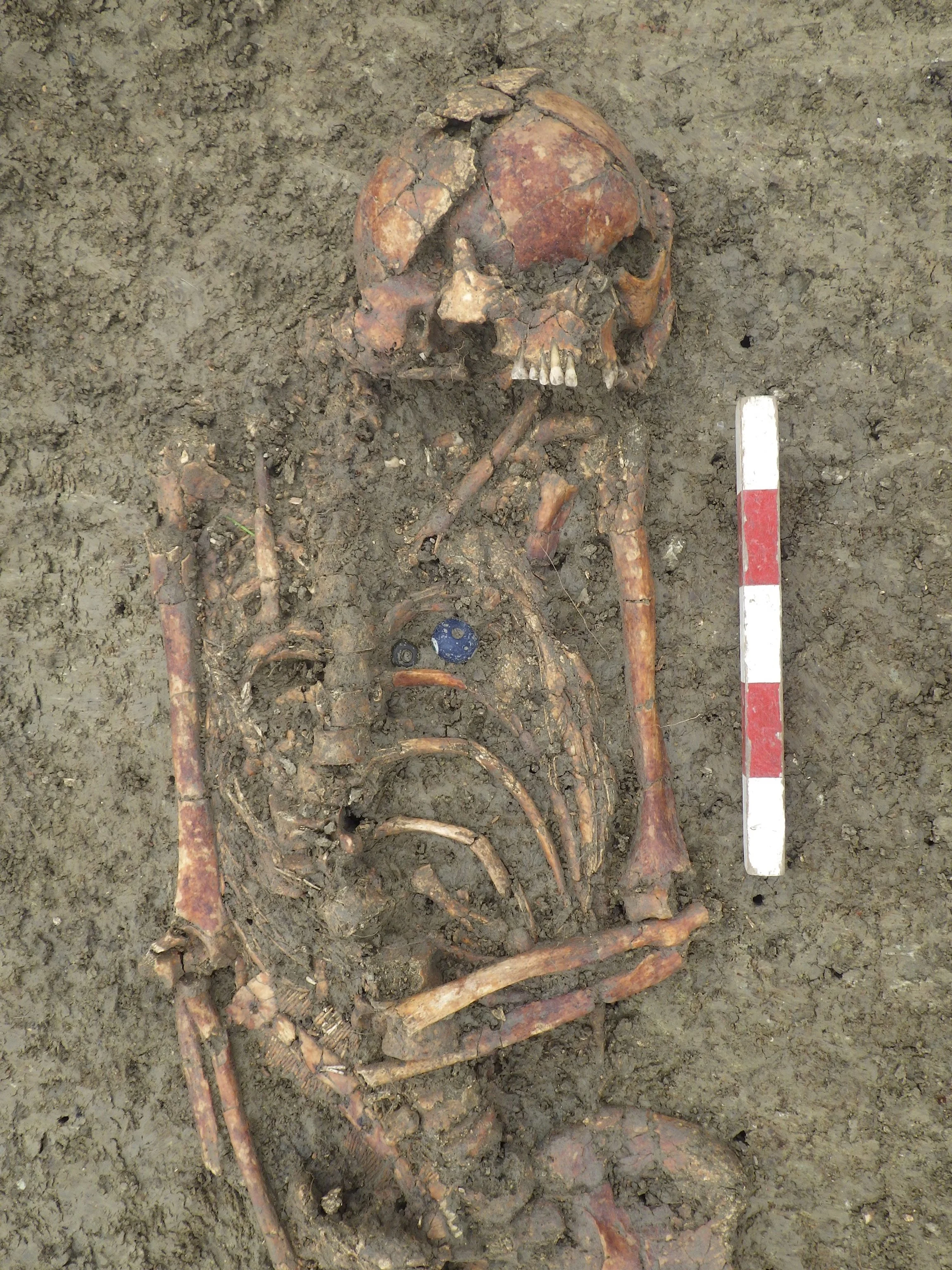
  • Fossilized human skeleton in a grave, partially uncovered in dirt, with a measuring stick beside it.

    Locking Parklands

    Land at Locking Parklands near Weston-super-Mare, North Somerset, was investigated by AC archaeology prior to residential development. An early-medieval cemetery was excavated, revealing the skeletons of 18 men, women and children. Artefacts from the graves and radiocarbon dates indicate that the cemetery was in use between 650 and 780 cal AD.

  • Five construction workers in orange safety vests and white helmets working on a rocky construction site, with a visible curved path or trench they are excavating.

    Trecerus Riding Stables, Padstow

    Archaeological excavations were undertaken by AC archaeology southeast of Trecerus Riding Stables, near Padstow, Cornwall, prior to residential development. The work established the presence of Middle/Late Iron Age to early Roman unenclosed settlement. Eleven roundhouses and four additional structures or working areas were revealed, closely associated with linear ditches likely to represent associated agricultural activity and drainage.

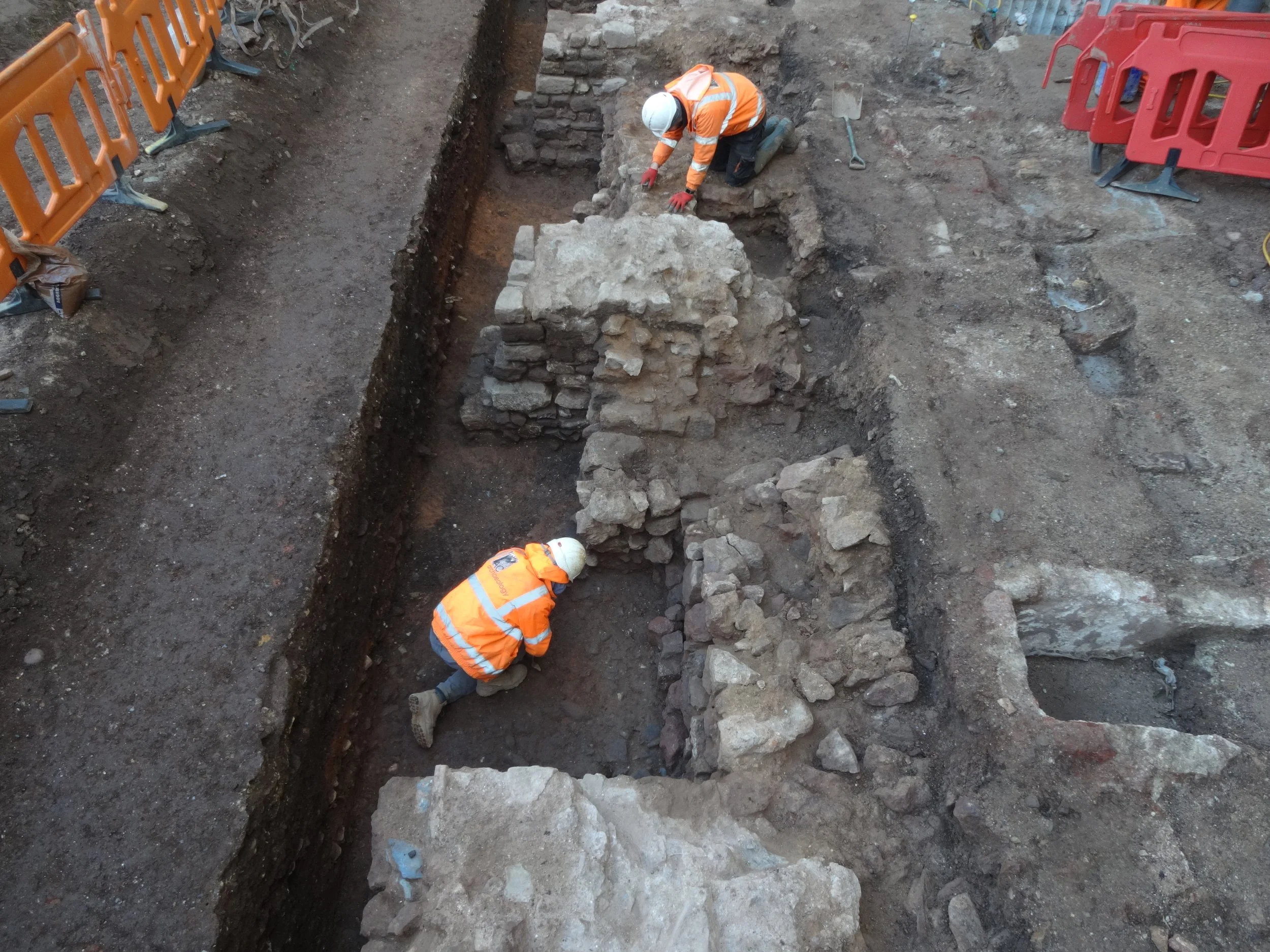
  • Two construction workers in orange safety jackets burying an artifact or historical stones at an archaeological excavation site, surrounded by disturbed dirt and temporary orange barriers.

    Exeter Cathedral Cloister

    Archaeological investigations were carried out by AC archaeology on the site of the former cloister at Exeter Cathedral, ahead of and during the construction of a new east cloister walk range. Despite the wholesale demolition of the medieval cloisters and construction of a series of buildings in the late 17th century, the archaeological work revealed extensive evidence for the medieval cathedral cloisters. Where deeper excavation took place, fragments of the Roman legionary fortress and a group of 7th or 8th century burials were uncovered.

  • Construction workers in safety vests and helmets excavating at a construction site enclosed by metal fencing, with grass and trees in the background.

    Potterswood, Verwood

    Archaeological excavations by AC archaeology on land at Potterswood, Verwood, Dorset, revealed extractive pits and boundary ditches of post-medieval date. The pits were arranged in two groups thought to represent two phases of sand extraction. Other isolated pits may reflect prospecting activity and clay extraction. The finds included pottery and pottery production waste from the local Verwood-Type industry. The site is likely to have been exploited for materials related to Verwood’s historic pottery and brick production.

  • Filton Airfield, South Gloucestershire

    AC archaeology has been involved in extensive building recording at Filton Airfield as part of a large-scale regeneration project. The late 1940s Brabazon Hangar is amongst the largest buildings recorded. Other work on the site has included recording a WWI hangar and WW2 air raid shelters.

Accreditations

Get in touch to discuss your project today.

No matter the size or significance of your project, we’d be delighted to discuss what we can do for you.